Samsung Food
Summary
Samsung Food is a comprehensive food platform combining AI recipe recommendations, meal planning, grocery shopping, and smart kitchen integration. I helped unify the journey from discovery to cooking.
More content than clarityDirect link
Anyone who has opened a recipe app knows the feeling: endless options, not enough that fit what’s in the fridge, your diet, or how confident you feel at the stove. Samsung Food had the reach. The gap was fit.
Over several months I ran workshops, customer interviews, and journey mapping with product and research partners. We traced the full loop from “what should I cook?” through meal planning, grocery shopping, and smart-kitchen guidance — not the recipe card in isolation.
What kept coming back in interviews: people trusted inspiration but not recommendations. Trending feeds felt random. Meal plans fell apart the moment shopping and cooking lived in different mental modes. The hypothesis that emerged was that food products earn loyalty when they respect the full journey — discovery, planning, shopping, and cooking as one coherent thread.
“Meet people where they already are — their pantry, their preferences, their week.”
Every UX and visual decision followed from that. Diet, skill level, and ingredients became first-class inputs, not buried settings. Meal planning stayed connected to lists and kitchen steps. AI had to show its work — transparent filters and ingredient logic over opaque carousels. The result was a design system and experience architecture that could hold together across mobile, web, and smart-kitchen touchpoints.
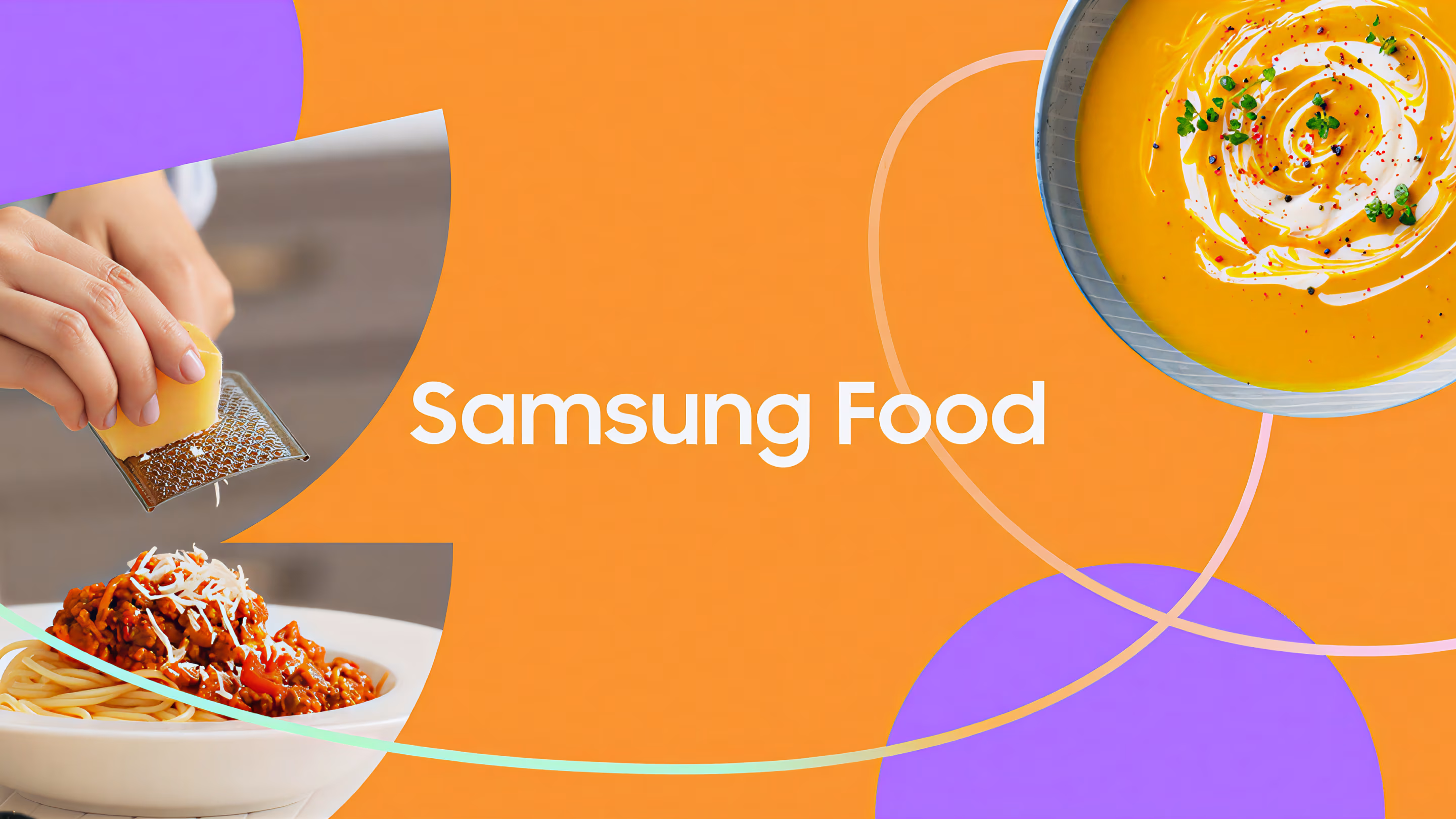
Smarter discovery 🍳Direct link
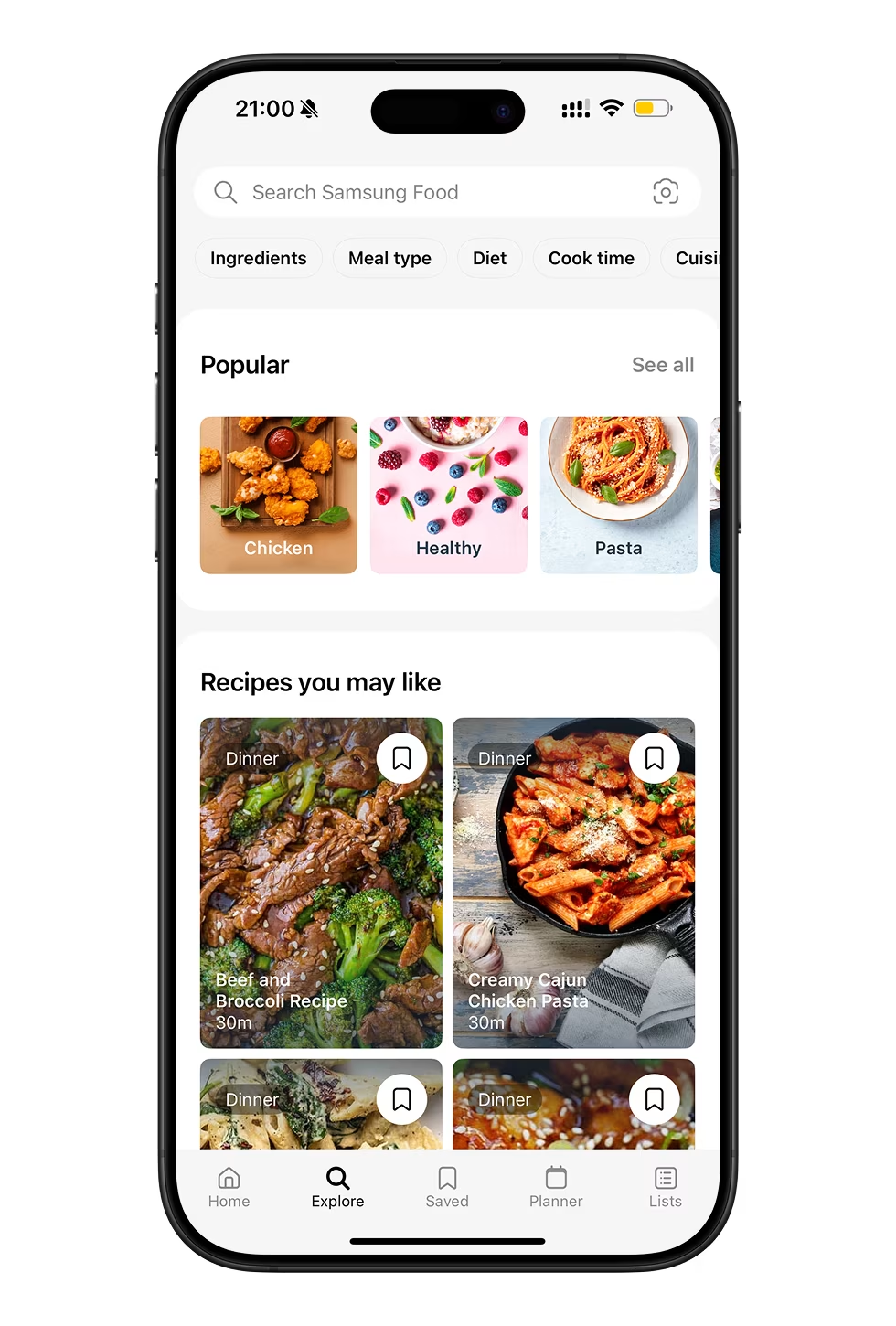
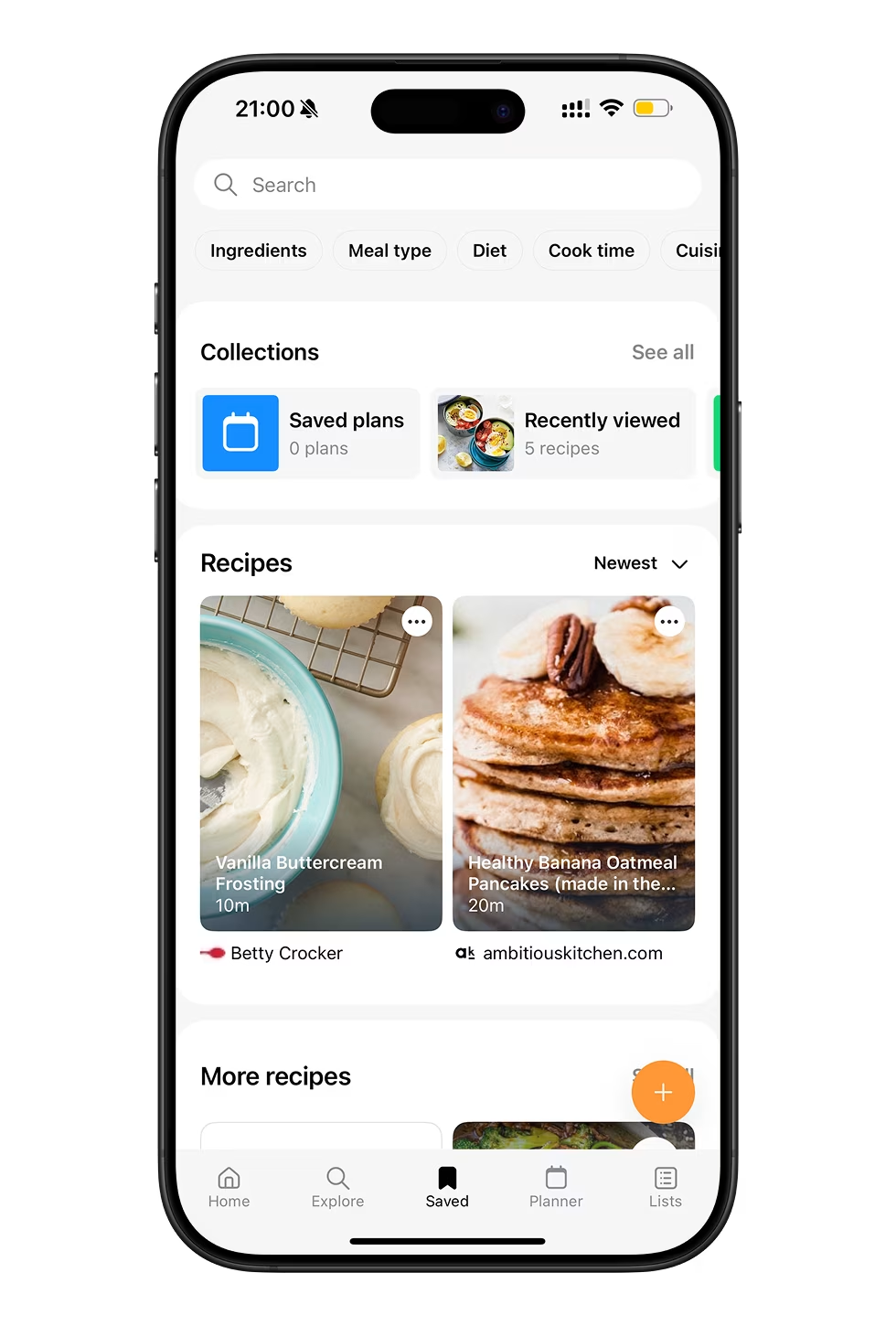
The first job was to cut through recipe overload without hiding the catalogue. Personalized feeds and Popular category entry points — Chicken, Healthy, Pasta — give people a place to start, while filters for ingredients, meal type, diet, cook time, and cuisine sit above saved recipes so browsing feels like narrowing in, not scrolling forever.
Know before you cookDirect link
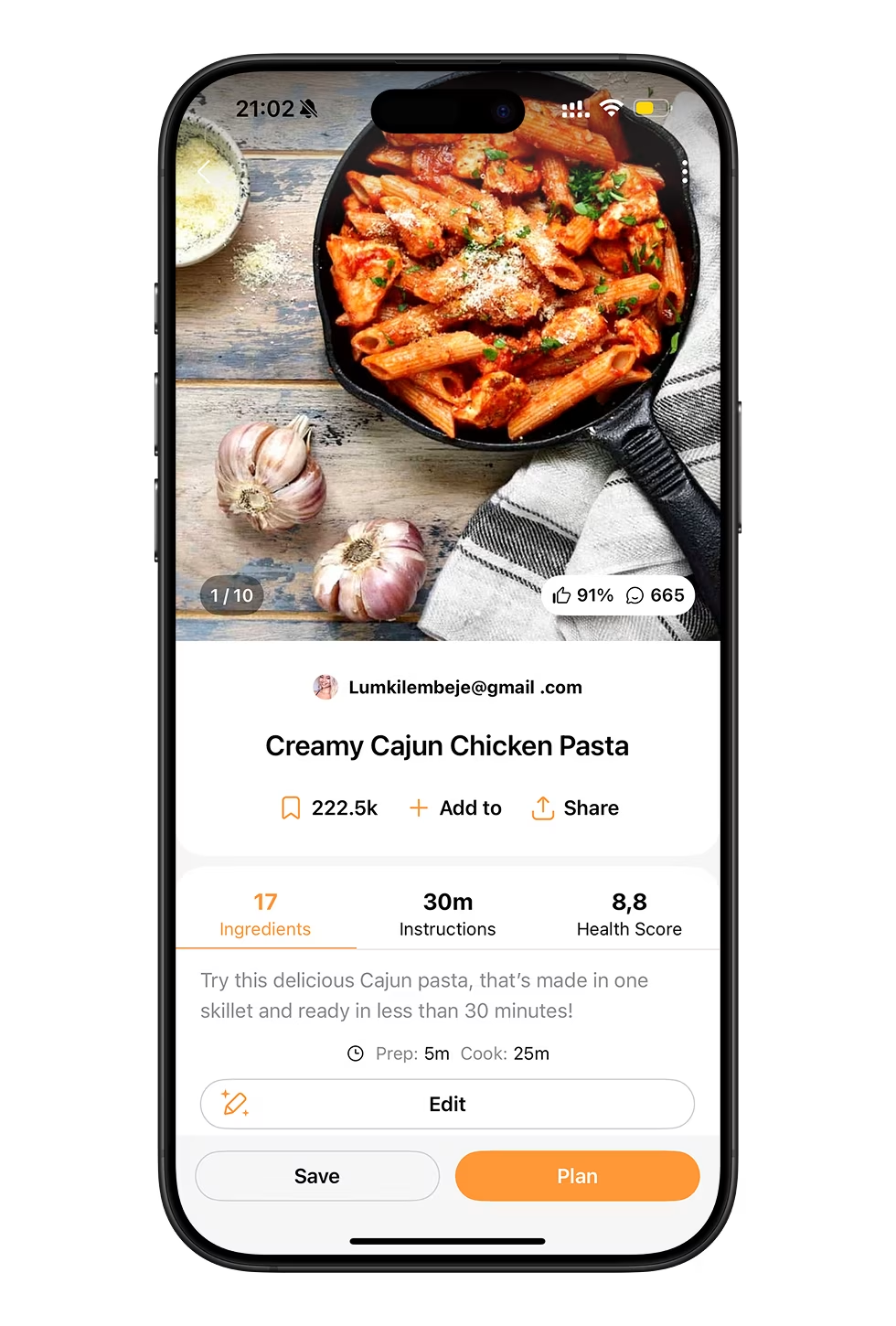
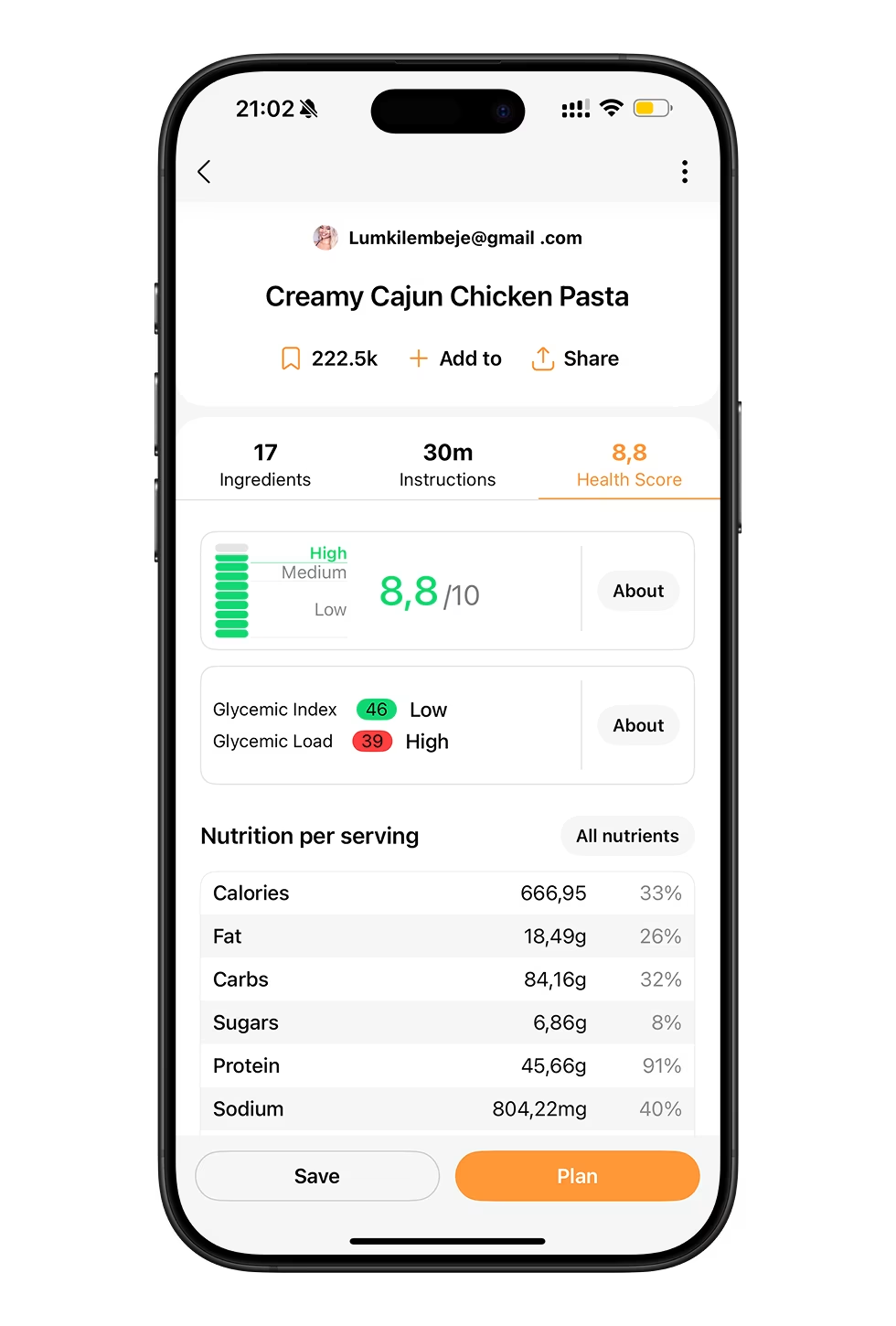
When a recipe earns attention, the detail view had to make the next step obvious — ingredients, cook time, and health score at a glance, with Save and Plan ready when you are. Trust came from transparency, not black-box recommendations: glycemic data and per-serving nutrition broke down the why behind every suggestion, so people could plan with confidence, not guesswork.
Meal planning that sticks 📋Direct link
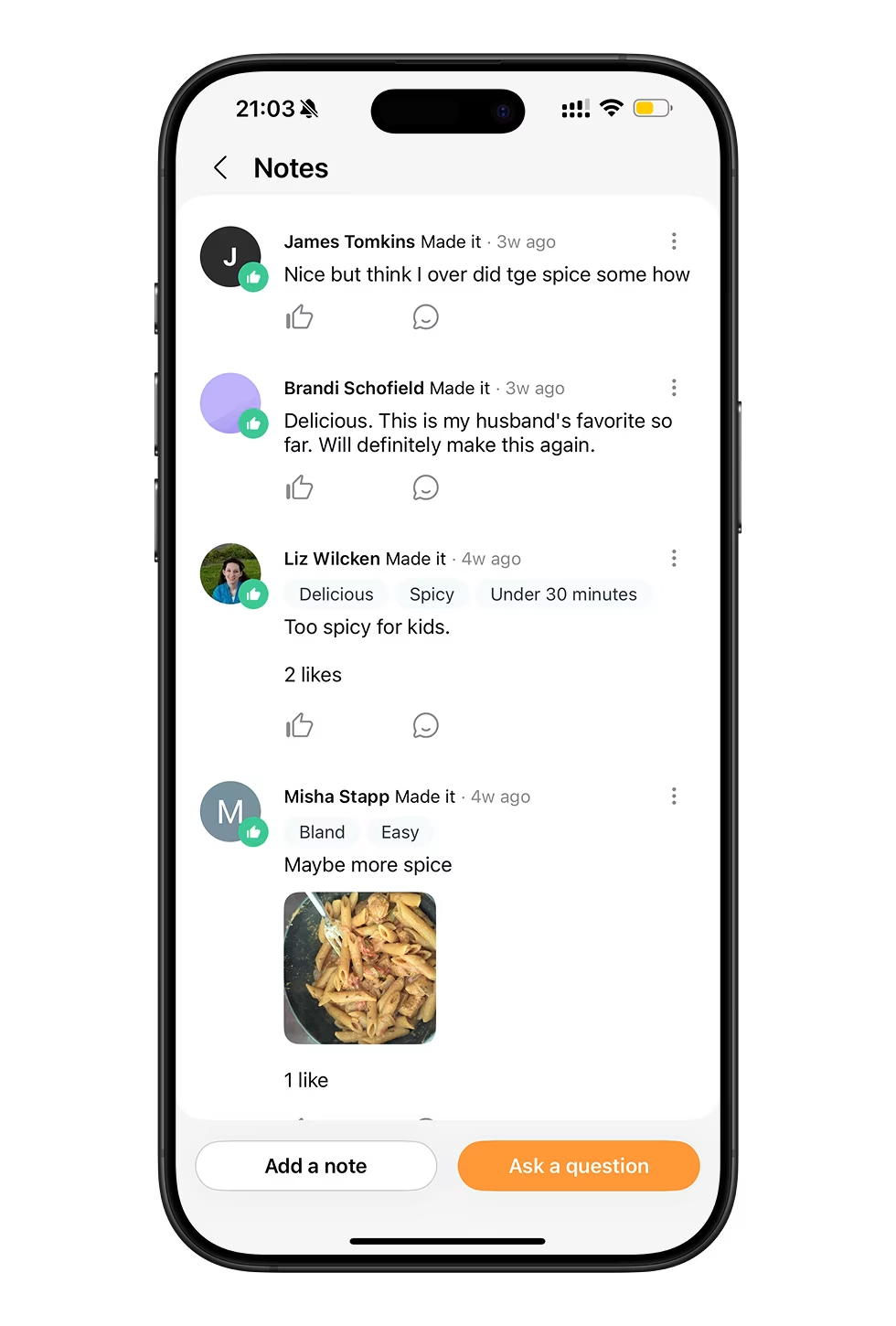
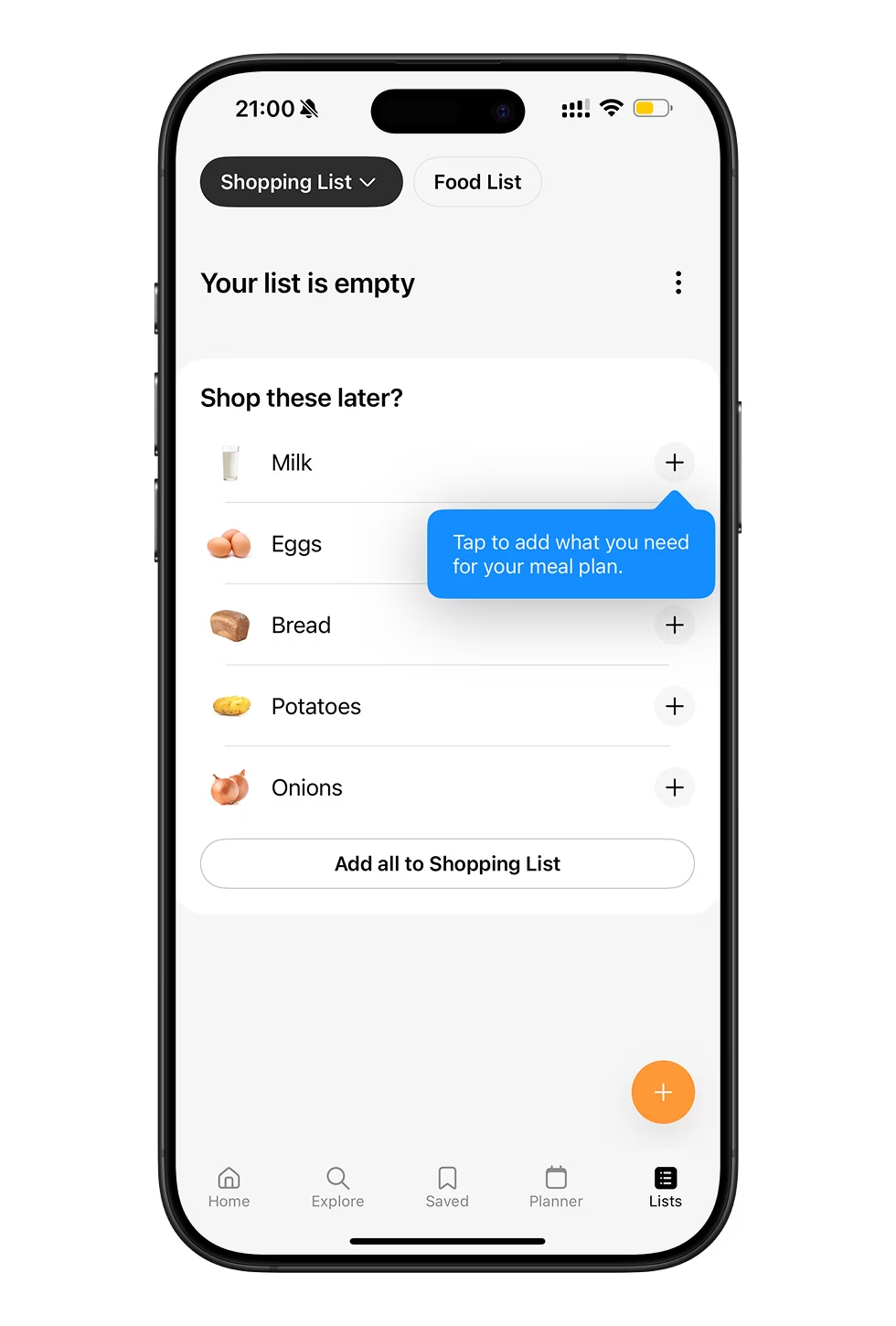
Recommendations got sharper when real cooks weighed in — notes, tags, and photos from people who made the recipe built trust before you committed. Meal planning only works when that confidence survives the grocery aisle, so I linked plans to shopping lists with suggested ingredients — one tap to add what you need from a list that knows what you are cooking next.
What changedDirect link
User testing and staged rollout feedback validated the direction. People spent less time searching and more time cooking. Meal plans held together through shopping. Ingredient-based discovery stopped feeling like a gimmick and started feeling like the natural way in.
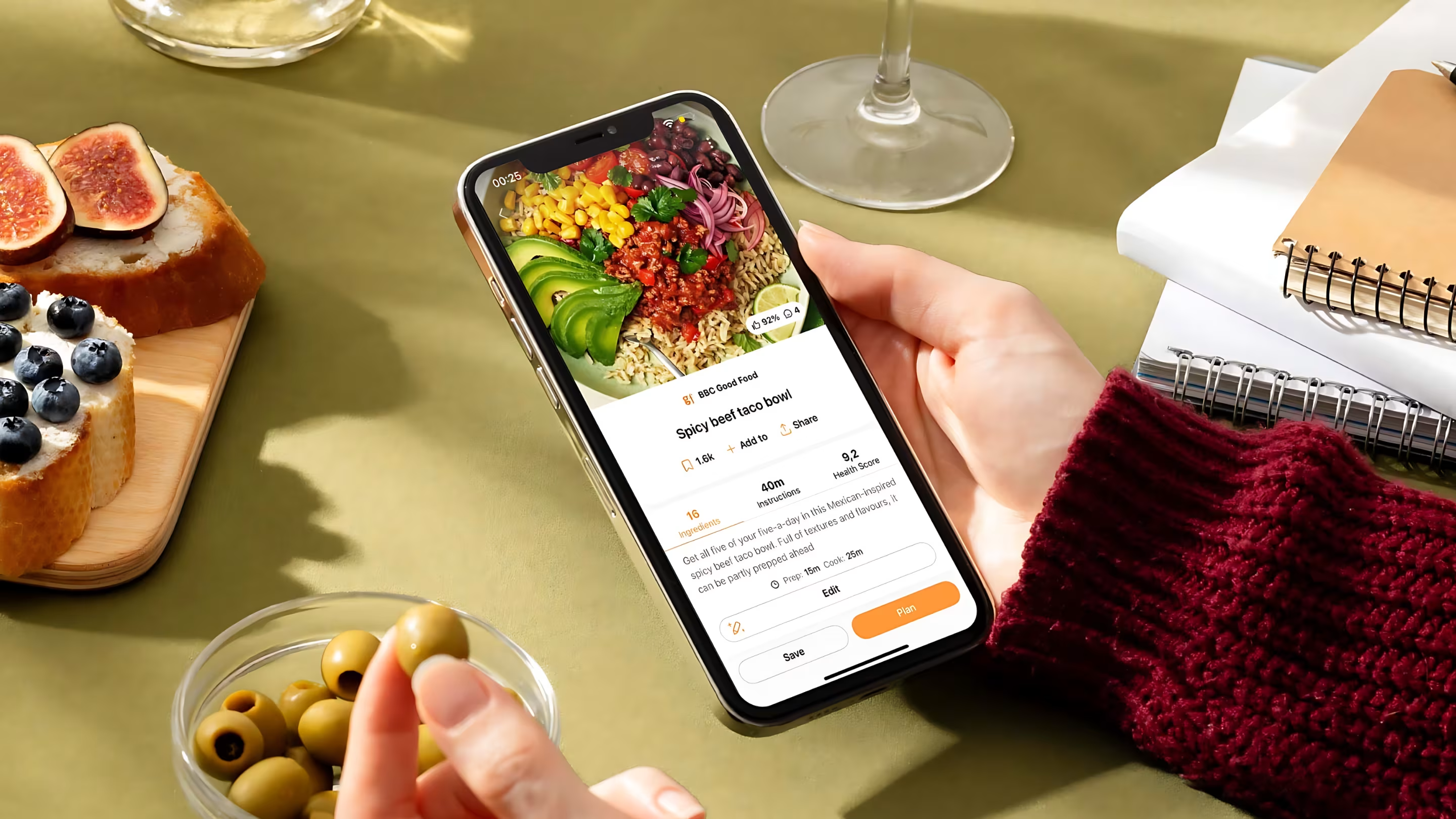
Samsung Food moved from a recipe browser into something closer to a food companion — one experience that adapts to how people actually eat, shop, and cook at home.
Behind the work
- Role
- Product Designer
- Company
- Samsung Food
- Services
- Product Strategy, User Research, UX Design, UI Design, Design System, Prototyping
- Platforms
- iOS, Android
- Focus areas
- Recipe discovery, health transparency, community notes, meal-plan shopping lists
- What I wanted to show you…
- Food products succeed when they respect the full journey — not just the recipe card.
- What I learned…
- Personalization only works when users trust the inputs. Ingredient matching and clear dietary filters earned more loyalty than another carousel of trending dishes.